Clothes Recycling Uncovered
4 Ways To Donate Your Pre-Loved Items

Thinking about donating clothes you’ve fallen out of love with? That’s brilliant news!
That jumper you never reach for could be just what someone else is looking for. Passing on clean, wearable clothes gives them another chance to be enjoyed and can help raise funds for a cause you care about.
But which route fits your clear-out: a charity shop, a textile bank, a collection bag through the door or a collection you book online? Here are four ways to donate your pre-loved items, with the practical things to check before your bags leave home.
1 Charity shops
There’s something lovely about a local charity shop: someone else’s wardrobe clear-out might become your next favourite find. Donating saleable clothes helps the charity raise funds through its shops or online sales. For example, Oxfam’s clothing donation guide asks for clean clothes and accessories in good condition.
A good fit if:
- You have a particular cause in mind. From national charities to local hospices, choose a shop whose work matters to you.
- You’re already heading that way. A donation can fit into an ordinary trip, without a separate journey just for your bags.
Before you load up your bags, check:
- What the shop accepts. Clean, wearable clothes are a useful starting point, but rules for other items vary between charities and branches.
- When donations are welcome. Check opening hours and whether the shop has room for your bags, especially if you have a larger clear-out.
- How you’ll get there. Think about carrying the bags, parking and access before setting off.
- How your donation supports the cause. Items are often sold to raise funds, so they won’t necessarily be handed directly to someone in need.
2 Textile banks or local recycling centres
A clothing bank can be a handy stop while you’re already out and about. Some recycling centres also have textile collection points. Use Recycle Now’s clothing and textiles finder, then check the operator’s current rules. Our guide to finding clothes recycling near you explains what to look for.
- Convenient for a small clear-out. If a suitable bank is on a route you already take, it can be an easy way to pass on accepted items.
- A choice of locations. Banks may be at supermarkets or car parks, but access hours and recycling-centre booking rules still need checking.
Before dropping anything off:
But always consider:- Read the label. Check who runs the bank, what it accepts and whether a charity benefits. Some banks take reusable clothes only; worn-out textiles need a route that specifically accepts them.
- Check there’s room. Put accepted items inside the bank as instructed. If it’s full or blocked, take your bags home rather than leave them outside where they could get wet or damaged.

Ready to declutter your wardrobe but leave your heart full?
Pick a charity to find out if we collect in your area.
3 Collection bags through your door
A collection bag through your letterbox offers another way to pass things on from home. Read who is collecting, which charity benefits and what can go in the bag before you fill it. The Fundraising Regulator’s charity bag guidance is a useful starting point.

- No trip to a drop-off point. If the scheduled collection suits you, you can prepare accepted items and follow the instructions on the bag.
A couple of things to check:
- Check the details. Look for the named charity, collection company and explanation of how the charity benefits. If anything is unclear, contact the charity using its official contact details before donating.
- Follow the collection instructions. Check the date and accepted items, and keep your donation dry. A bag arriving through your door doesn’t mean every type or condition of item is suitable.
4 Booking an online collection (via us, for example!)
Prefer to make a plan rather than wait for a bag to arrive? With DonateClothes, you can book a free home collection for clean, dry and reusable items. Choose a partner charity, check your postcode and address, then pick from the dates available to you.
We collect in selected areas, so check availability before packing for a particular day. Explore our collection areas or follow our step-by-step home collection guide.
- Choose your cause. Select one of our partner charities before checking availability for your address.
- Pack in your own bags or boxes. There’s no need to wait for a special collection bag. Keep items clean and dry, with each bag or box manageable for one driver.
- Tell us where to collect. Add clear access or collection instructions when booking. If you need help bringing bags to the door, let us know so the driver can be informed.
- Help raise funds. We check, weigh and sort donations for resale. On average, our charity payments represent around 82% of our profit — not the full selling price of the items.
Still choosing between a drop-off and a doorstep pick-up? Our textile banks vs home collection guide looks more closely at the differences.
Whichever route suits you, a little preparation goes a long way: pass on things that can still be used, check the collector’s rules and keep your donation clean and dry. A little less clutter at home, a little more good from the things you no longer need.
Your Guide to Clothes Recycling
Common Questions Answered
What is the best way to donate clothes?
The best route is one that accepts your items and fits your day. A nearby charity shop or clothing bank may suit a small bag you can drop off while you’re out. An arranged home collection can be useful when carrying or transporting bags is difficult. Check item condition, availability and how your donation supports the named cause.
Can I donate clothes that are worn out or damaged?
Check with the operator first. Some textile recycling services accept items that can’t be worn again, while many donation points collect reusable goods only. DonateClothes cannot collect stained, damaged, wet or rag-quality items. Check your council or Recycle Now for a suitable textile recycling route, rather than putting them in a donation bag that doesn’t accept them.
Can I include bedding or other items with my clothes?
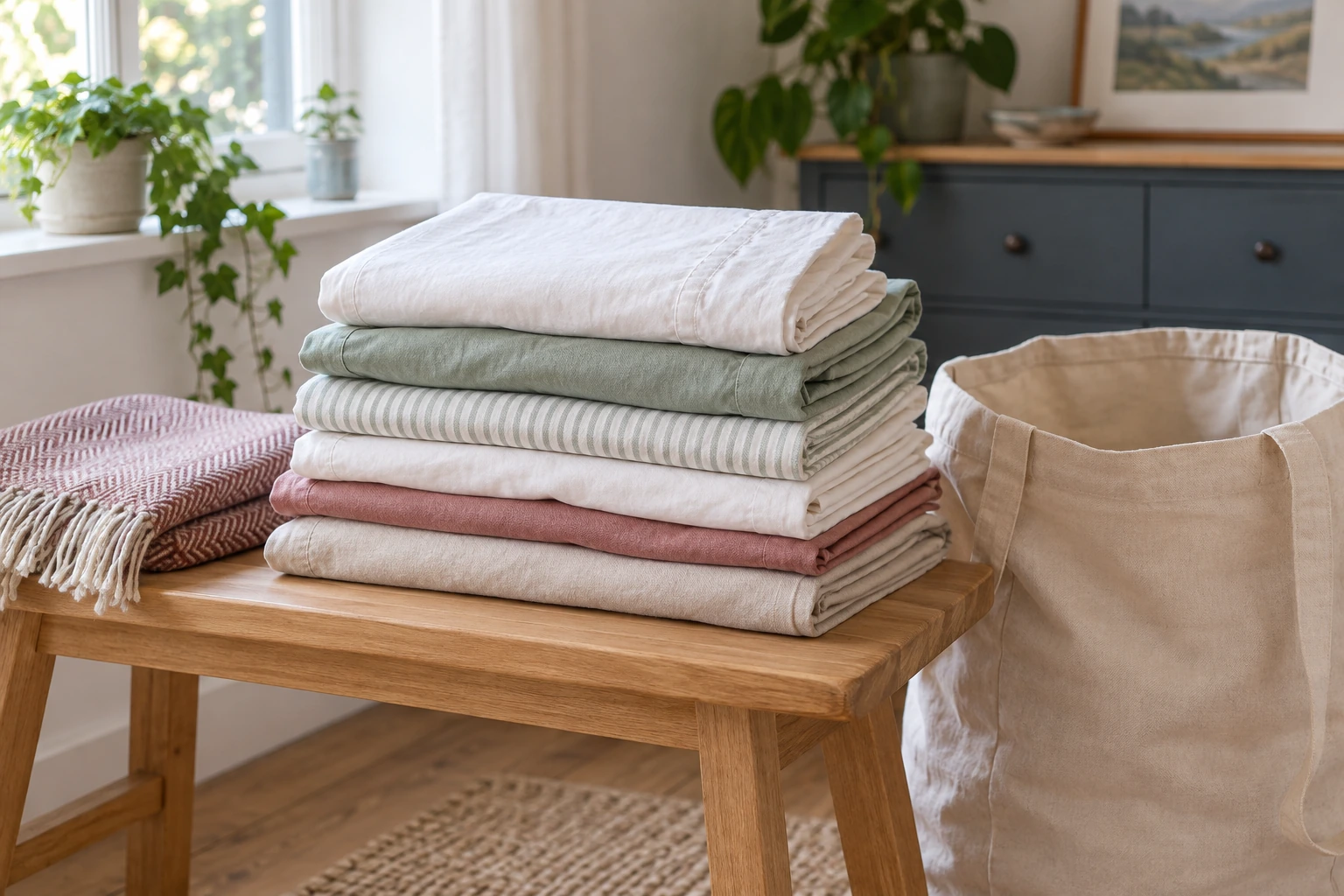
With DonateClothes, you can include accepted items such as paired shoes, handbags and jewellery, as well as suitable bed linen. Everything must be clean, dry and reusable. See our full donation list and guide to donating bedding. We don’t collect filled duvets, pillows or cushions. Other collectors have their own rules.
How can I check a charity collection bag?
Read the collector and charity details, the collection date and how the charity benefits. If you’re unsure, contact the named charity through its official website. The Fundraising Regulator’s guidance linked above explains the checks in more detail.
Will my donated clothes go directly to people in need?
Not necessarily. Different services have different arrangements, and many sell donated items to raise funds. DonateClothes checks, weighs and sorts donations for resale, with payments supporting your chosen partner charity. Read where your donated clothes go for more about the journey.
Ready to make a little room? Choose a charity and check your postcode to see whether a free home collection is available. Declutter your wardrobe, but leave your heart full.